In this guide
Jemaa el-Fna is Marrakech's main square and a UNESCO-listed centre of oral heritage. It is calm with juice stalls by day and turns into an open-air food market with storytellers and musicians from about 5–6 pm. To enjoy it, visit at dusk, agree prices before you take photos or eat, ignore people offering unrequested "help", and keep valuables in a front pocket. The square is generally safe and busy until after midnight.
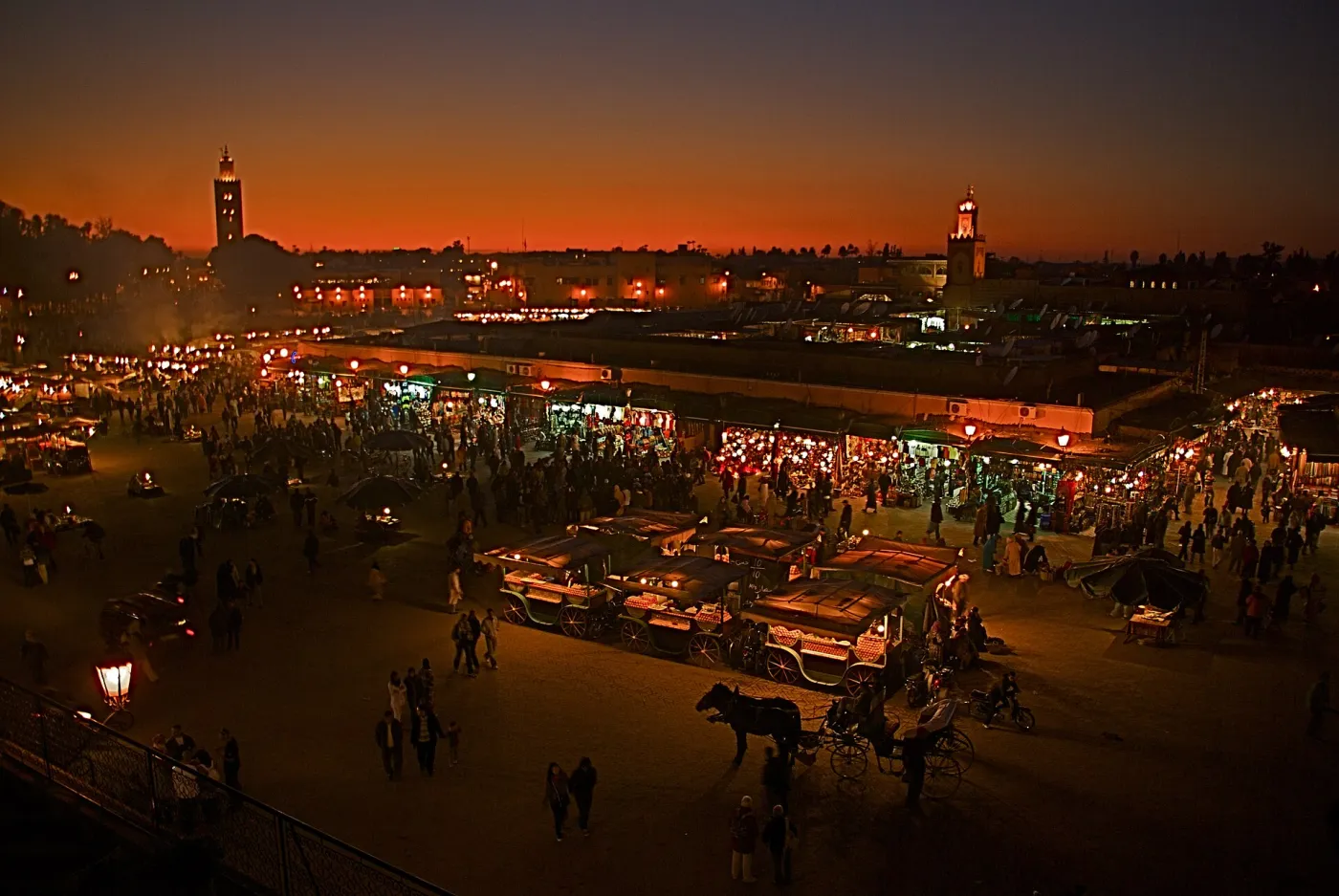
No other public space in Morocco is quite like Jemaa el-Fna. Its name is usually translated as "assembly of the dead", a reminder that public executions were once held here. In 2001 UNESCO proclaimed the square's performers and storytellers a Masterpiece of the Oral and Intangible Heritage of Humanity. Today it is the heart of the medina and the place where most first-time visitors find their bearings.
Jemaa el-Fna by Time of Day
| Time | What's happening | Tip |
|---|---|---|
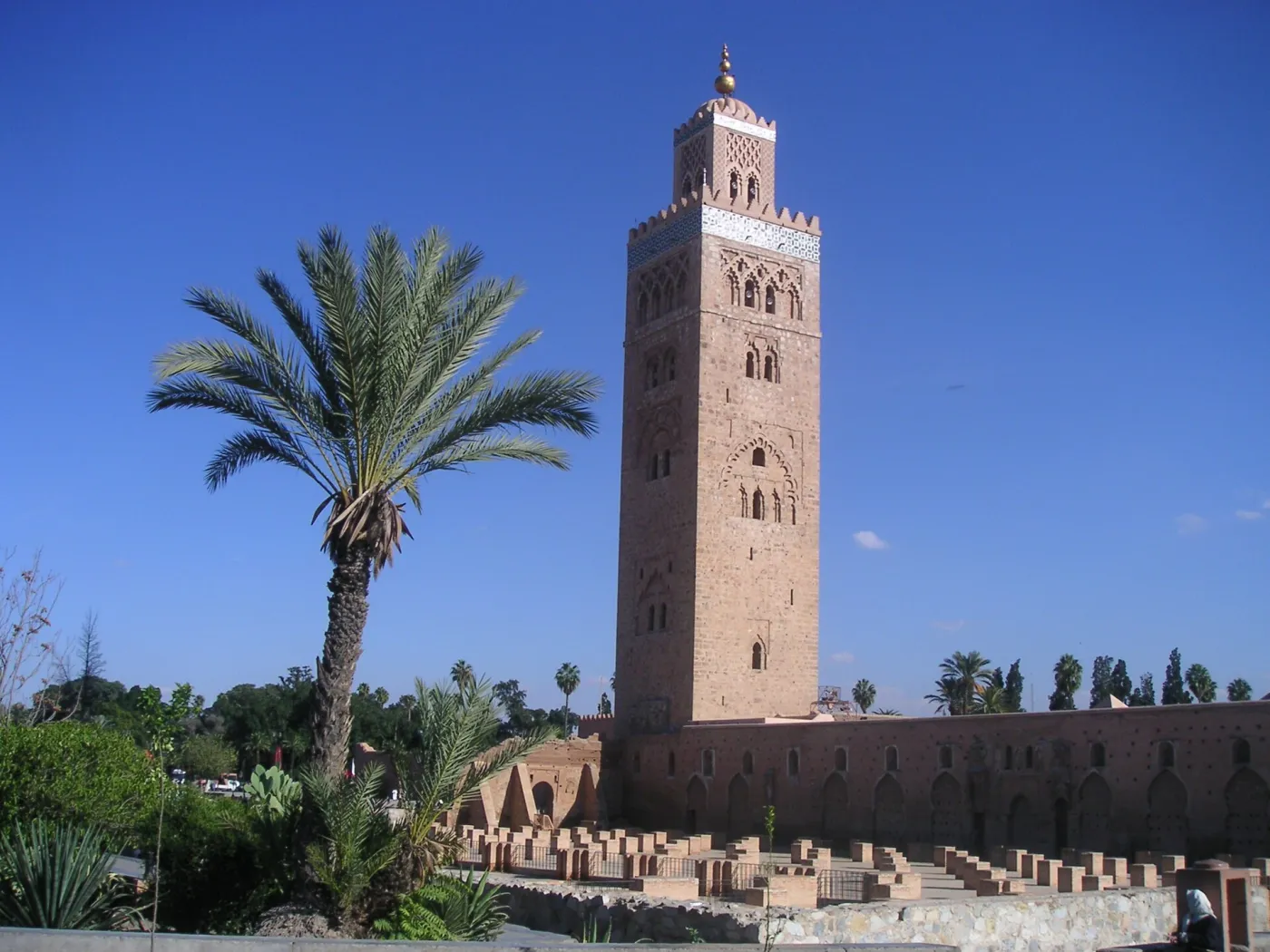
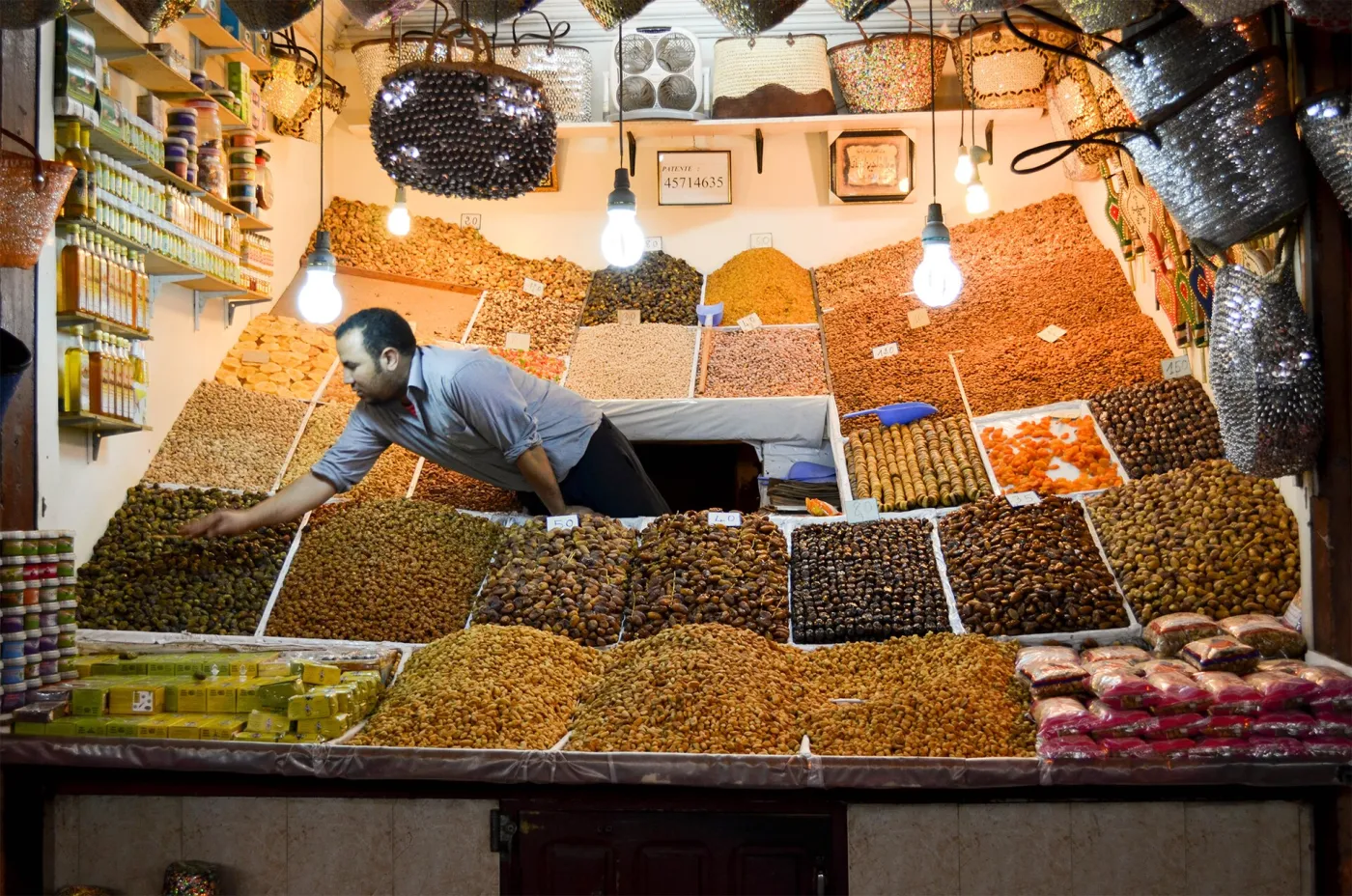
| 9:00–12:00 | Orange-juice carts, dried-fruit sellers, herbalists, snake charmers setting up | Quiet, good for photos of the Koutoubia |
| 12:00–16:00 | Hot and slower, especially from May to September | Retreat to the souks or a riad |
| 16:30–18:30 | Food stalls are assembled, musicians and storytellers gather circles | Take a rooftop café seat for sunset |
| 18:30–00:00 | About 100 numbered food stalls, Gnawa bands, games and henna | The busiest and most atmospheric time |
During Ramadan the square wakes up after the sunset meal (iftar) and stays lively very late. In winter the stalls start about an hour earlier because it gets dark sooner.
Eating at the Night Food Stalls
The stalls are licensed by the city, numbered, and cleaned down every night. A meal of grilled meat, salads, bread and a drink usually costs 60–120 MAD per person. Local favourites:
- Harira and bissara (fava bean soup) at the soup stalls, about 5–10 MAD a bowl
- Snail broth flavoured with aniseed, liquorice and thyme, about 5–10 MAD
- Grilled kefta and brochettes, usually sold by the skewer or plate
- Tanjia and mechoui from the stalls on the northeast edge of the square
- Ginger-spiced tea (khoudenjal) with a slice of dense spice cake
Choose stalls that are full of Moroccan families and that cook fresh to order. Check the price on the printed menu before you sit down, and be aware that bread, olives and sauces placed on the table may be added to the bill. Our list of Moroccan dishes to try explains each one.
Orange juice: what should it cost?
The numbered green carts post their prices, typically 10–15 MAD for a plain orange juice and more for mixed juices. Watch the juice being squeezed. Some carts have been known to top glasses up with pre-mixed juice or tap water.
Common Scams and How to Avoid Them
- Henna "gifts". A woman takes your hand and starts drawing before you agree, then asks 200–500 MAD. Keep your hands to yourself and say a firm "la, shukran" (no, thank you). If you want henna, agree the design and price first. About 50–100 MAD for a small design is reasonable.
- Photos with snake charmers and monkeys. Taking a photo, even from a distance, can lead to demands for 100 MAD or more. Agree a price first (10–20 MAD is fair) or don't take the photo. The Barbary macaques are an endangered species kept illegally. Please don't pay for photos with them.
- "The square is closed" or "that road is closed". Someone sends you down a side alley that leads to a shop or a tannery where you are expected to pay. The square is never closed. Keep walking.
- Unofficial guides. Young men offer to show you the way and then ask for money. Licensed guides carry an official badge, and it is easier to book one in advance.
- Stall touts. Hawkers grab your arm and quote low prices, then bring dishes you didn't order. Decide what you want, order specific items, and ask for the total before you eat.
- Pickpockets. They work the crowded circles around the performers after dark. Use a zipped front pocket or a crossbody bag.
The tourist police (Brigade Touristique) have a post on the square. Beyond scams, serious crime against visitors is rare. Our general guide on safety in Morocco covers the wider picture.
Performers, Storytellers and Etiquette
The halqa (circles) are the living heritage that UNESCO recognised: storytellers in Darija, Gnawa musicians with qraqeb castanets, acrobats, and traditional healers. If you stop to watch or film, drop a coin or two (5–10 MAD) into the hat when it comes round. That is the performers' income. Women travellers may get more attention after dark. Walking with purpose and dressing modestly, with shoulders and knees covered, reduces the attention.
Best Viewpoints Over the Square
The rooftop terraces on the north and east sides charge nothing to enter but expect you to order a drink, usually 20–40 MAD for mint tea or a soft drink. Arrive 30–40 minutes before sunset to get a seat by the railing. From there the smoke from the grills, the Koutoubia minaret and the evening call to prayer come together, and it makes the best photo in Marrakech.
Is Jemaa el-Fna Worth Visiting More Than Once?
Yes. The square changes completely between morning and night, and it is on the way to almost everywhere in the medina, so most visitors cross it several times a day anyway. Save the food stalls for your first or second evening. By then you will have your bearings and be better at politely turning down offers.
Getting There and Getting Around
- The square is about 400 m from the Koutoubia and 10 minutes' walk from Bab Agnaou and the Kasbah.
- Taxis drop off at the Koutoubia end, because cars cannot enter the square in the evening.
- Souk Semmarine, the main souk artery, starts on the north side. Before you buy there, read our guide to haggling in the souks.
See the Square with a Local Guide
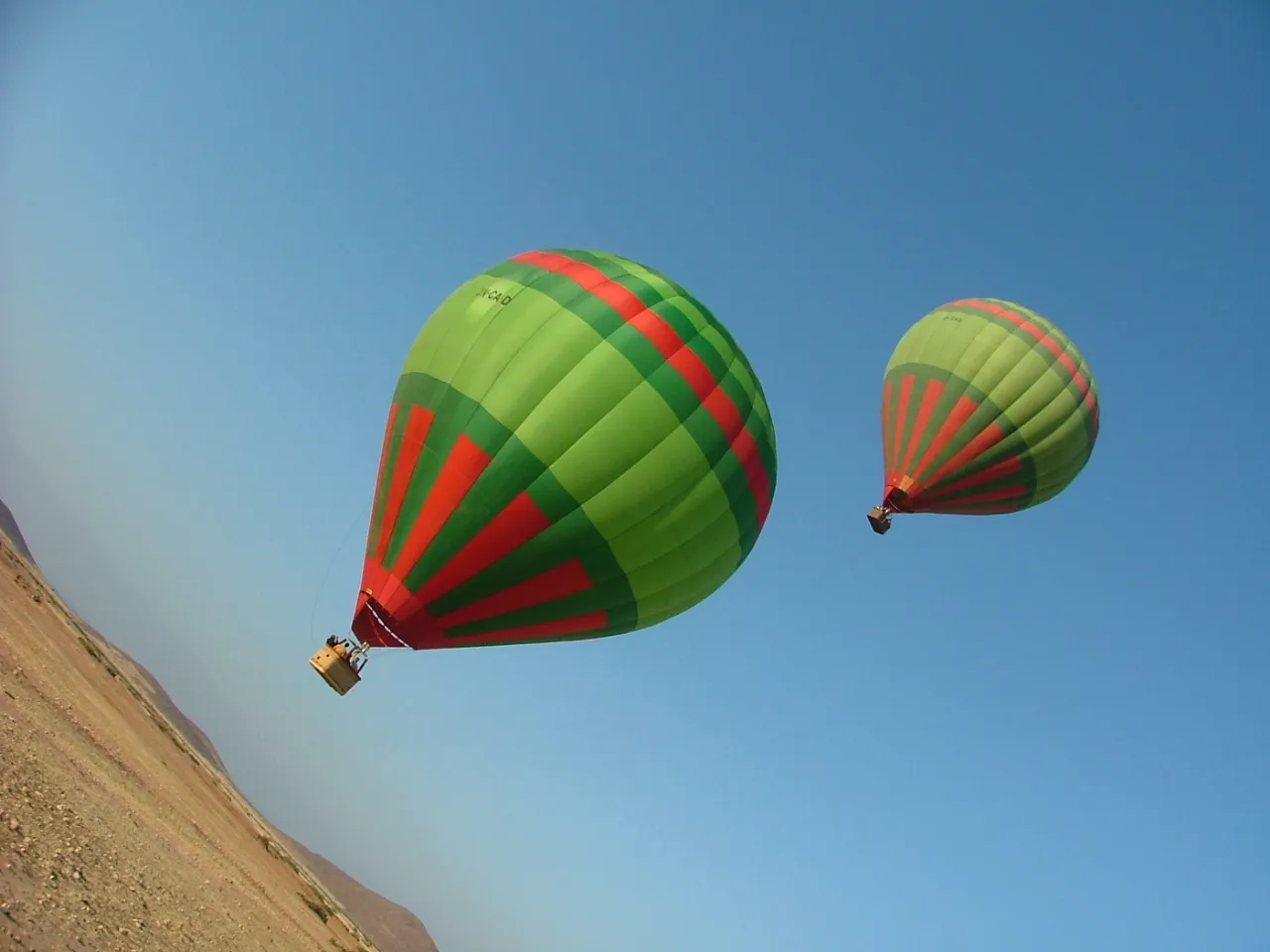
If the noise feels overwhelming on your first evening, a guide makes it much easier: you get a translator, someone who knows the fair prices, and a buffer against touts. Our medina and souks walking tour with a licensed guide finishes near Jemaa el-Fna, so you can stay on for the food stalls afterwards. You'll find it, along with our balloon flights and cooking classes, among our Marrakech experiences.
Comments