In this guide
In the Marrakech souks, haggling is expected on almost everything except food and fixed-price shops. A good rule is to open at about one third of the first asking price and settle somewhere between 40% and 60% of it. Know the rough fair price before you start, stay friendly, and walk away politely if the number doesn't work. The walk-away is often what gets you the real price.
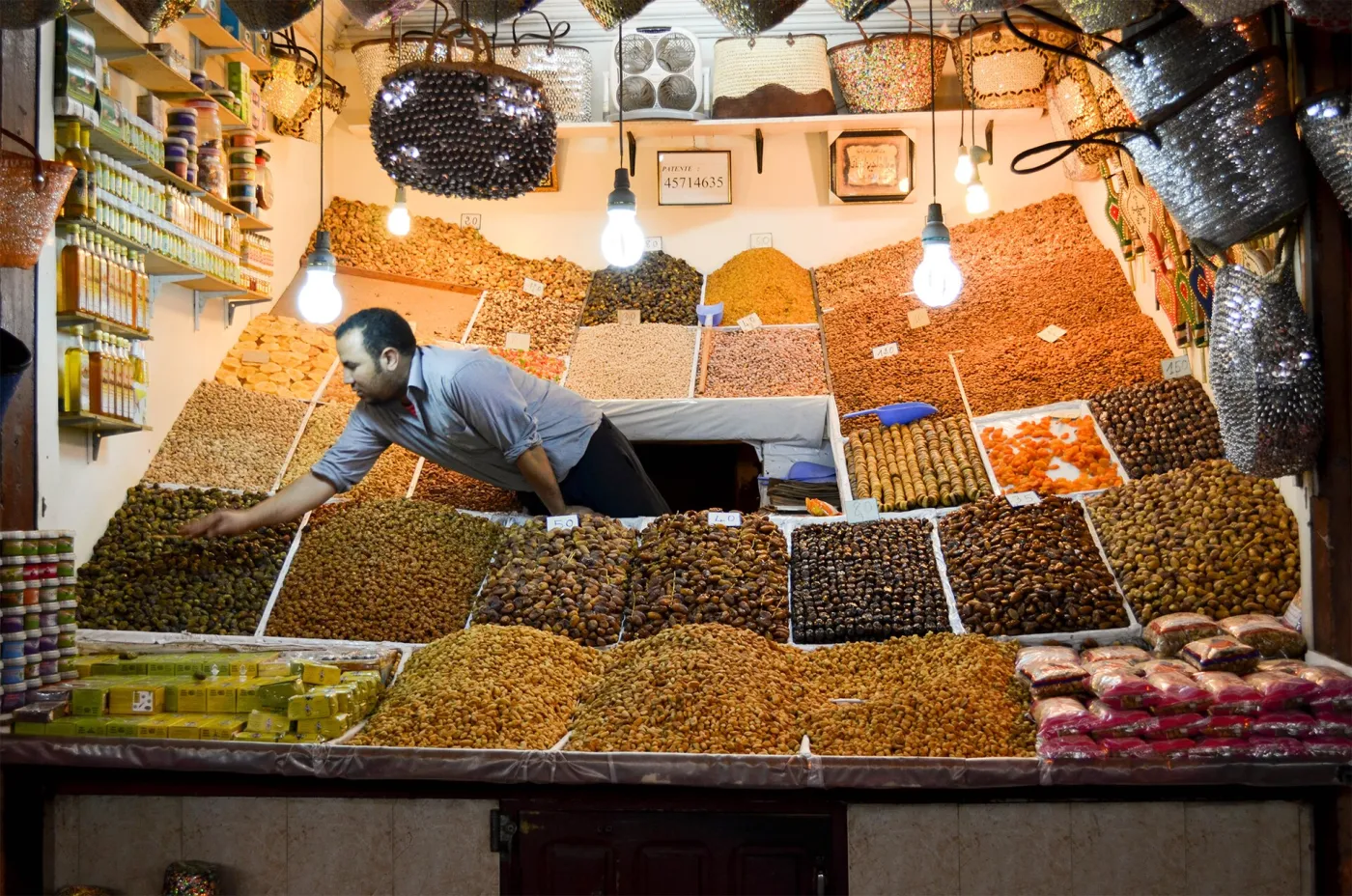
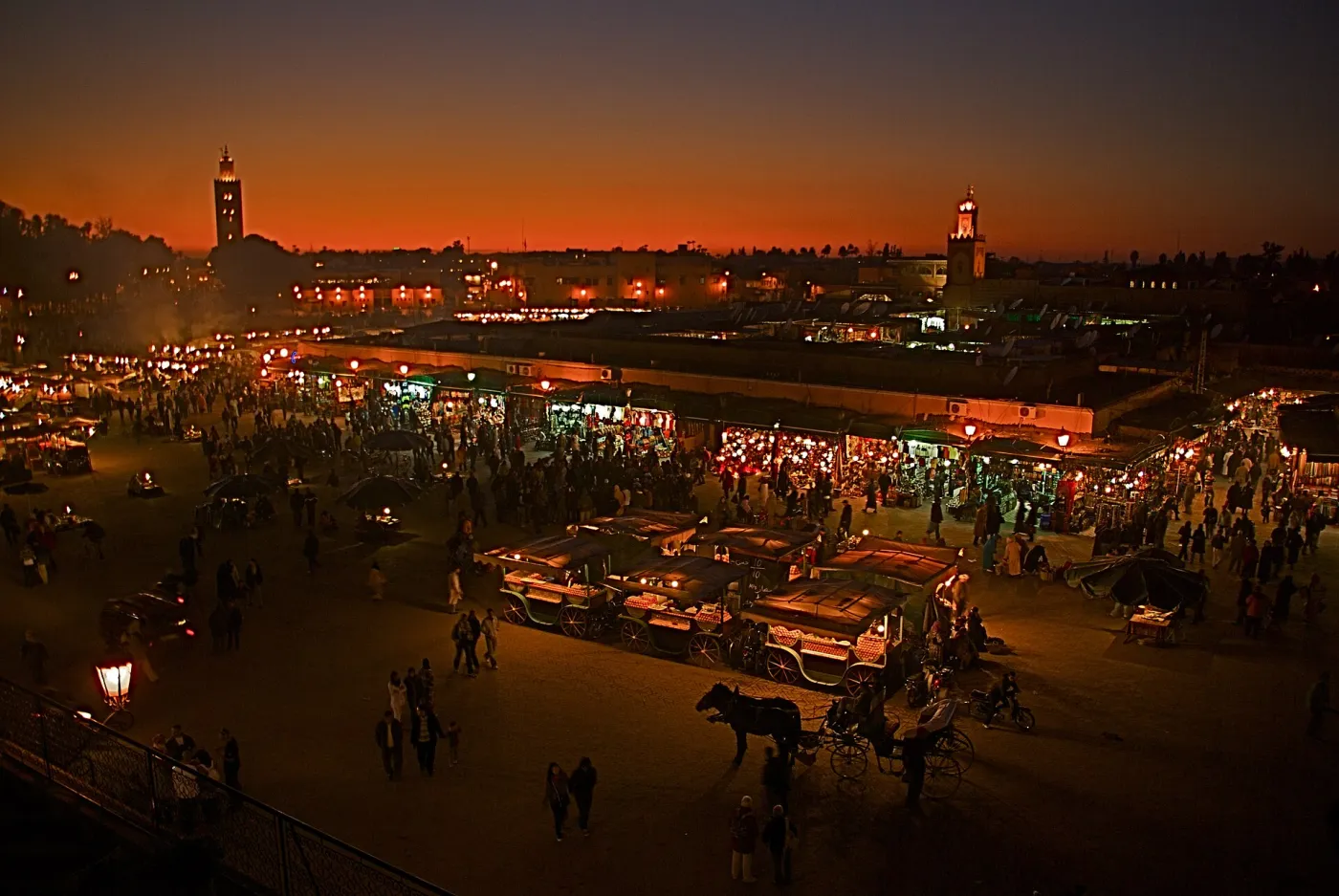
The souks north of Jemaa el-Fna are a few thousand stalls packed into narrow lanes. Traditionally each lane belongs to one trade. For visitors, shopping here is less about getting the lowest price and more about paying a fair one without stress. This guide covers how bargaining works, what things actually cost in 2026, and where to find them.
Which Souk Sells What
| Souk or area | Specialty |
|---|---|
| Souk Semmarine | Main artery: textiles, kaftans, general souvenirs (highest starting prices) |
| Rahba Kedima (spice square) | Spices, herbal remedies, baskets, woven hats |
| Souk el Attarine | Perfumes, brass and copper |
| Souk Cherratine | Leather bags, belts, poufs |
| Souk Smata | Babouche slippers |
| Souk Haddadine | Blacksmiths: iron lanterns, furniture |
| Souk des Teinturiers | Dyers' lane: wool skeins drying overhead |
| Criée Berbère | Rugs and carpets |
Prices usually fall the further you walk from Jemaa el-Fna. The workshop lanes around Haddadine and the dyers' souk are often cheaper than the stalls at the entrance to Semmarine.
Fair Price Guide (2026, Approximate)
These ranges are realistic final prices for decent mid-range quality. Handmade premium pieces cost more. Asking prices often start at two to four times these figures.
| Item | Fair final price |
|---|---|
| Leather babouches (adult) | 100–200 MAD |
| Leather pouf (unstuffed) | 250–450 MAD |
| Leather bag (medium) | 300–700 MAD |
| Cosmetic argan oil, 100 ml (from a cooperative) | 100–180 MAD |
| Saffron, per gram (genuine Taliouine) | 30–60 MAD |
| Metal lantern (small to medium) | 150–450 MAD |
| Ceramic cooking tagine (small) | 50–120 MAD |
| Cotton or viscose scarf | 50–120 MAD |
| Small Berber rug (approx. 1 × 1.5 m) | 1,000–3,500 MAD |
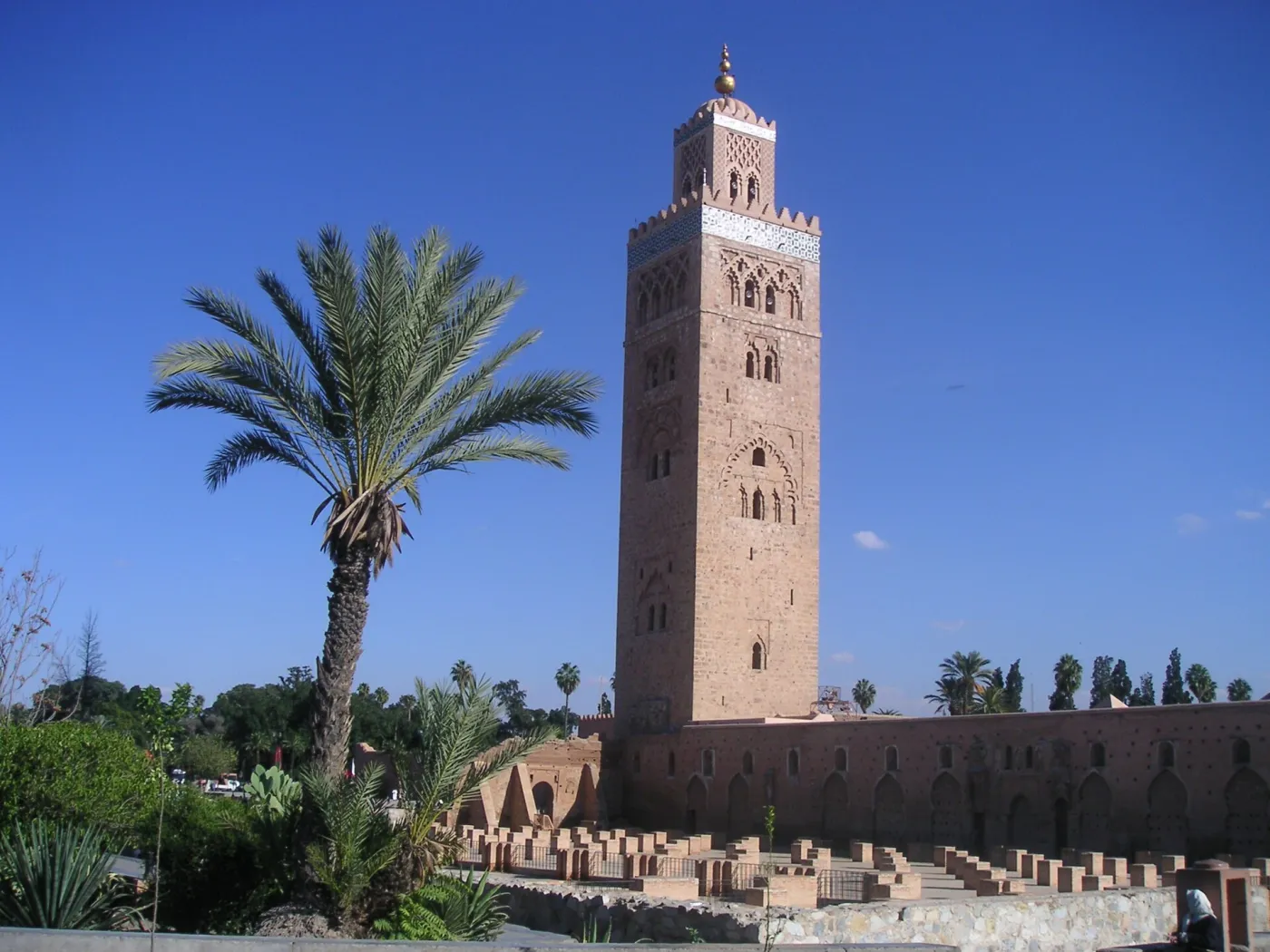
For a benchmark, visit the government-run Ensemble Artisanal on Avenue Mohammed V near the Koutoubia before you shop. It sells at fixed prices, so you learn what things are worth without any pressure.
How to Haggle: A Step-by-Step Method
- Browse before you ask. Look at similar items in two or three shops and handle them. Check the stitching on leather and look for the weight and hand-knotted back of a rug.
- Let the seller name a price first. If you are asked "what's your best price?", reply that you want to hear theirs.
- Counter at about one third. If babouches start at 350 MAD, offer 120 MAD. Say it with a smile. Low offers are part of the game, not an insult.
- Move up in small steps. Each time the seller comes down, go up less than they did. Having the cash in hand helps: "I have 180."
- Bundle. Buying three items from the same shop is the most reliable way to get a real discount.
- Walk away politely. If the price is still too high, say "shukran, maybe later" and leave. If your offer was fair, you will often be called back.
- Only name a price you will pay. Once the seller accepts your number, it is bad form to back out.
Useful words
- Bshhal? How much?
- Ghali bzaf Too expensive
- La, shukran No, thank you
- Akhir taman? Last price?
Traps to Recognise
- Guides who steer you to a shop. Unofficial "guides" and some drivers earn commission of 20–40% on what you spend, and that is added to your price.
- "Berber cooperative only open today". Real cooperatives keep regular hours. The urgency is a sales tactic.
- Fake saffron and argan oil. Cheap saffron is often dyed safflower. Real threads are trumpet-shaped and colour water slowly. Pure argan oil has a mild nutty smell and doesn't go cloudy in the cold.
- Card surcharges and shipping. Rug shops may add 3–5% for card payment. If you ship a purchase, get a written receipt listing the item, its size and the delivery terms.
- Accepting mint tea. Tea is ordinary hospitality, but after a glass you may feel obliged to buy. You aren't obliged.
For wider etiquette, such as tipping, modest dress and cash, see our Morocco tips for first-time visitors.
Where Not to Haggle
Bargaining has limits, and you will get better prices if you respect them:
- Food, bread and fruit are sold at local prices. Haggling over a 3 MAD msemen is considered rude.
- Pharmacies, supermarkets and the Ensemble Artisanal have fixed, labelled prices.
- Petit taxis should use the meter. Negotiate only if the driver refuses, and agree the fare before you get in.
- Museum and monument tickets are fixed and posted at the gate.
Is Haggling Rude? The Cultural Side
No. In the souks, bargaining is a conversation, and a good seller enjoys it. What does come across as rude is being aggressive, calling the craftsman a thief, or haggling hard over a difference of 10 MAD, which is less than €1 to you and a meal to him. Keep it light, make a joke, and remember that a fair price for handwork is often still very cheap by European standards.
Practical Tips
- Carry small notes (20, 50, 100 MAD). Sellers are often "out of change" when you pay with a 200.
- Most stalls open around 9:30–10:00 and close 19:00–20:00. Some close for Friday prayers around midday.
- Late morning is quieter for serious shopping. Evenings are livelier but more crowded.
- Carry your purchases in a backpack worn on the front. The lanes are narrow and busy with scooters.
- When you have finished shopping, head back to Jemaa el-Fna for the evening food stalls, which are a few minutes' walk south.
Shop with a Local Who Knows the Prices
For a first visit, the easiest approach is to walk the souks with someone who knows them. Our guided walking tour of the Marrakech souks takes you through the artisan quarters and explains how each craft is made. The guide will help you bargain if you ask, and never takes you to commission shops. You can see it along with our other things to book in Marrakech, and there are more ideas in our list of the city's best activities.

Comments