In this guide
Yes, Morocco is generally safe for tourists in 2026. Violent crime against visitors is rare, and the realistic risks are petty theft, persistent touts, overcharging and road traffic rather than serious danger. Most Western governments rate Morocco at a normal or "increased caution" level, similar to many European countries, mainly because of a general terrorism risk.
What government advisories say
The US State Department has for several years placed Morocco at Level 2, "exercise increased caution", citing terrorism — the same level it applies to France, Spain and the UK. The UK Foreign Office does not advise against travel to any part of Morocco. Advisories change, so check your own government's page a few days before departure. The Western Sahara region in the far south and the Algerian border areas are the only zones some governments flag; they are far from standard tourist routes.
The real risks, ranked
1. Road traffic
Statistically, roads are the biggest hazard. Mountain routes such as the Tizi n'Tichka (2,260 m) have tight bends, trucks and occasional rockfall, and night driving on rural roads is best avoided. Using an experienced, licensed driver rather than self-driving removes most of this risk.
2. Scams and overcharging
These are annoying rather than dangerous. The most common in Marrakech and Fes:
- "The road is closed": a stranger tells you your route is blocked and offers to lead you — usually to a shop, then asks for money.
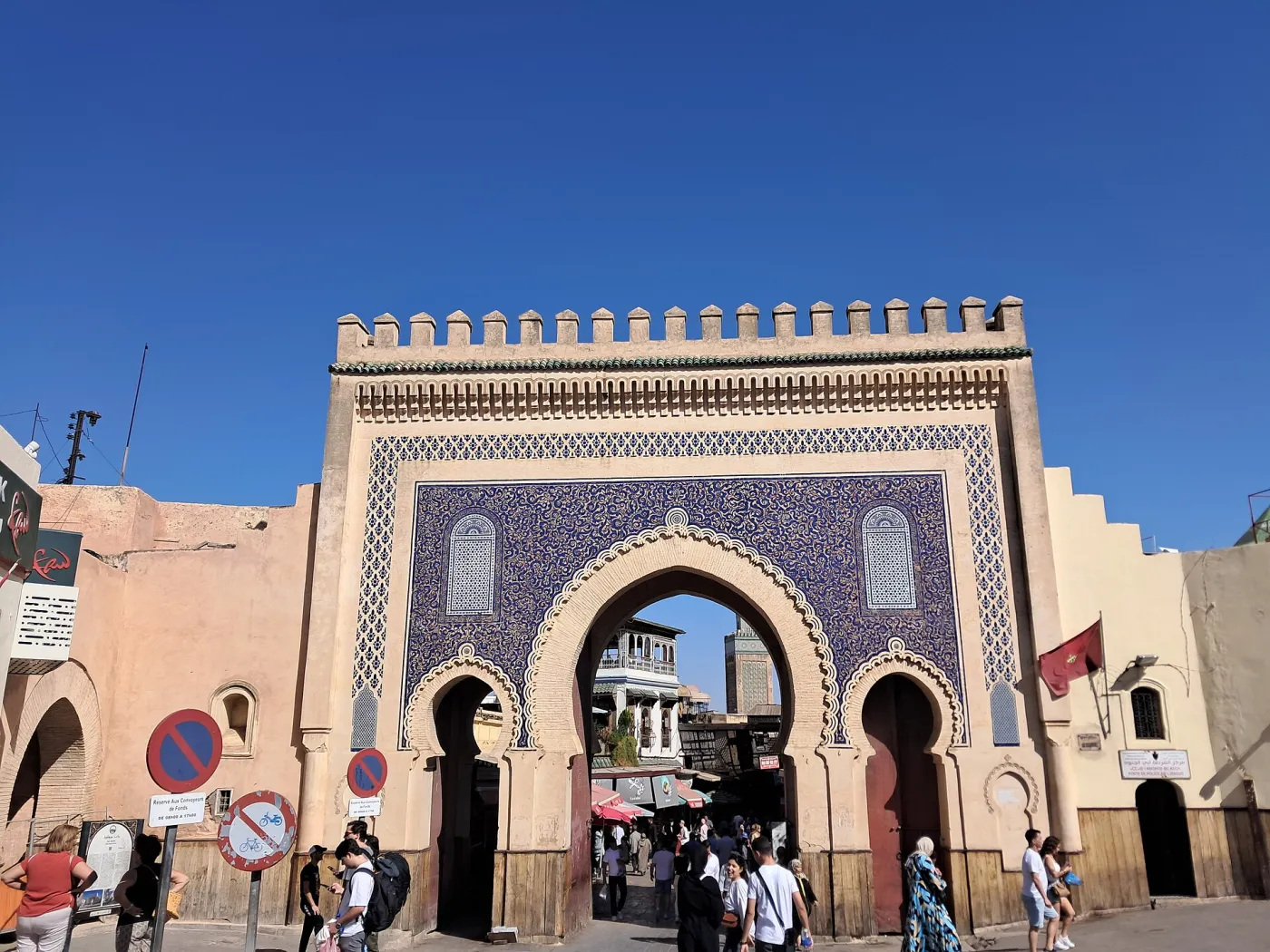
- Unofficial guides near medina gates and the Fes tanneries who later demand payment.
- Henna artists in Jemaa el-Fna who grab a hand and then charge 200 MAD or more.
- Photo fees for snake charmers and monkey handlers; agree a price (10–20 MAD) before taking pictures, or don't photograph.
- Taxis without the meter: petit taxis in Marrakech and Fes should use the meter; if not, agree a fare before getting in.
A polite "la, shukran" (no, thank you) and walking on usually ends the conversation.
3. Pickpocketing
Crowded places — Jemaa el-Fna at night, the souks, train stations — attract pickpockets. Use a zipped cross-body bag, keep phones out of back pockets and don't carry your passport unless needed.
4. Health and heat
Drink bottled or filtered water, use sunscreen and avoid long desert walks in the midday sun from June to September, when temperatures can exceed 40 °C. Travel insurance with medical cover is strongly advised; private clinics in Marrakech, Fes and Casablanca are of good standard.
Is Morocco safe for women and solo travellers?
Many women travel Morocco solo without problems, but verbal attention in medinas is common, especially for women on their own. What helps in practice:
- Dress with shoulders and knees covered; it noticeably reduces attention.
- Walk with purpose and don't feel obliged to reply to comments.
- Choose a riad with good reviews in a central, well-lit area, and ask staff to meet you on arrival.
- Use a guide for the first day in Fes, where the medina layout is disorienting.
- Join a small-group or private tour for the desert and long drives.
Our first-timer's guide to Moroccan dress code and etiquette covers what to wear city by city.
Safety by destination
| Place | Main issue | Tip |
|---|---|---|
| Marrakech medina | Touts, scooters in narrow lanes | Walk on the side; use offline maps |
| Fes el-Bali | Getting lost, false guides | Hire a licensed guide (with official badge) |
| Sahara (Merzouga) | Heat, cold nights, dune driving | Book an established camp and operator |
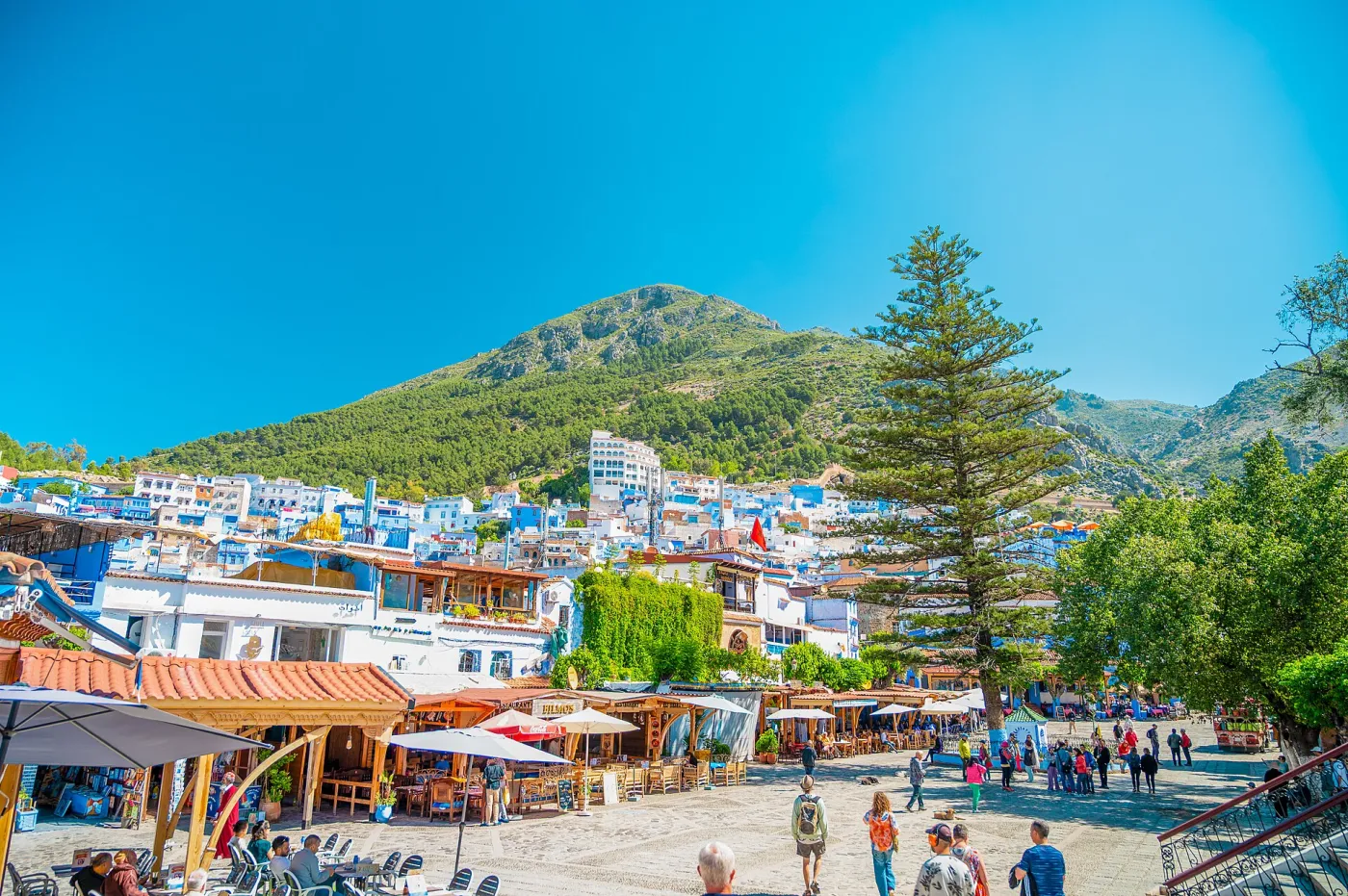
| Chefchaouen | Cannabis offers | Decline firmly; possession is illegal |
| High Atlas | Weather, altitude | Trek with a certified mountain guide |
Visitors to Chefchaouen will find specific advice in our guide to visiting Chefchaouen, and first-time visitors to Fes should read the Fes medina survival guide. For the square in Marrakech, see how to avoid the common scams in Jemaa el-Fna.
Other practical questions
Is it safe to travel Morocco with children?
Yes. Moroccans are generally very welcoming to families. The main concerns are sun, road time and food hygiene; choose itineraries with shorter drive days.
What about protests and the 2023 earthquake?
Demonstrations occasionally take place in larger cities; they are usually peaceful, but it is sensible to avoid crowds. The September 2023 earthquake mainly affected villages in the Al Haouz province of the High Atlas; roads, hotels and trekking routes around Imlil and Ouirgane have reopened, and tourism supports reconstruction.
Emergency numbers
- Police (cities): 19
- Royal Gendarmerie (rural areas and roads): 177
- Ambulance and fire: 15
- From a mobile phone, 112 generally redirects to emergency services.
Frequently asked questions
Is Marrakech safe at night?
Jemaa el-Fna and the main medina streets are busy and generally safe until late evening. Quiet side lanes after midnight are poorly lit; take a taxi to the nearest gate or ask your riad to send someone to meet you.
Is it safe to drink the tap water?
Tap water in the cities is treated, but most visitors stick to bottled or filtered water to avoid stomach upsets. Avoid ice in small street stalls.
Is the Sahara safe?
Established camps in Erg Chebbi and Zagora are very safe; the risks are environmental — heat, sun, cold nights and sand driving. Travel with an operator who knows the dunes and keeps you away from the unmarked border areas further east.
Do I need vaccinations?
No vaccinations are compulsory for travellers from Europe or North America. Many doctors recommend hepatitis A and routine vaccines; check with your own clinic before travel.
Can LGBTQ+ travellers visit safely?
Same-sex relations are illegal in Morocco, although foreign tourists are rarely targeted. Discretion in public is advised, and most tourist-oriented riads are welcoming.
Travelling with a local operator
Much of the stress disappears when logistics are handled by people who know the roads. On our 10-day Grand Morocco tour from Marrakech, a licensed driver covers every stage, licensed local guides lead you through Fes, and camps and riads are ones we work with regularly; it starts from €1,190 per person with free riad pickup. Shorter options are listed with our multi-day Morocco tours, and you can ask us any safety question on WhatsApp before you book.
Comments